
Delusional thinking and paranoia are among the most psychologically complex and emotionally intense experiences that can affect human thought, perception, and behavior. They involve distorted interpretations of reality in which a person becomes convinced that certain beliefs, fears, suspicions, or conclusions are unquestionably true, even when there is little or no objective evidence to support them.

These experiences can gradually alter the way a person understands people, events, relationships, and even their own identity. In severe forms, they may interfere with judgment, emotional balance, social functioning, and the ability to distinguish between realistic possibilities and imagined threats.
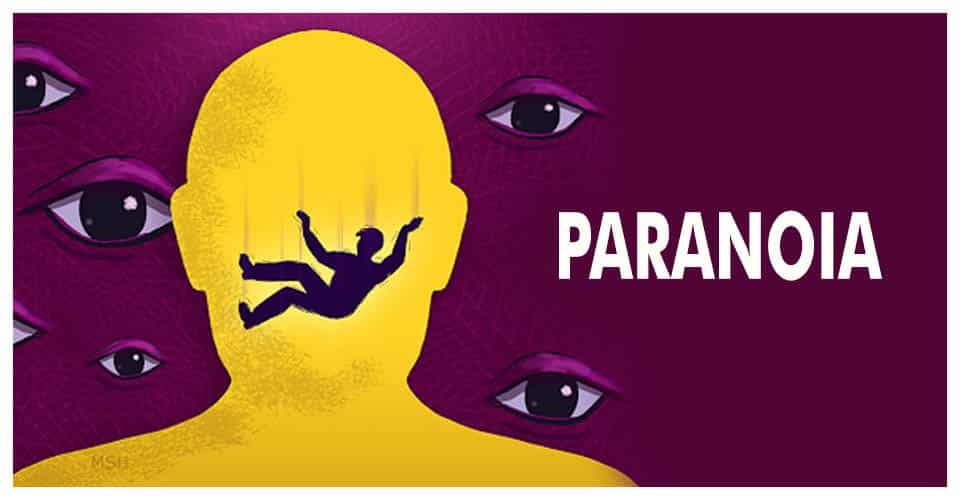
In psychology and psychiatry, a delusion refers to a fixed false belief that remains strongly held despite clear contradictory evidence. Unlike ordinary misunderstandings or temporary doubts, delusions are deeply rooted convictions that resist logical reasoning. A person experiencing delusional thinking may interpret harmless situations as meaningful signs, secret messages, or hidden attacks directed specifically toward them. The individual may sincerely believe that others are spying on them, plotting against them, controlling their thoughts, or attempting to harm their reputation, even when no such actions are occurring.
Delusional thinking often develops gradually. At first, the person may merely become unusually suspicious, overly sensitive, or emotionally reactive to social situations. Small misunderstandings begin to feel personally significant. Coincidences appear intentional. Neutral facial expressions may be interpreted as hostile or mocking. Over time, these interpretations become organized into a larger system of beliefs. The mind starts connecting unrelated events into a seemingly meaningful pattern. This process can create a powerful internal narrative that feels absolutely real to the person experiencing it.
Paranoia is closely related to delusional thinking but mainly involves excessive distrust, suspicion, and fear regarding other people’s intentions. A paranoid individual may constantly feel watched, judged, deceived, betrayed, or targeted. They may believe that friends are secretly criticizing them, neighbors are monitoring them, coworkers are conspiring against them, or strangers are intentionally sending indirect signals. In mild forms, paranoia may appear as exaggerated caution or defensiveness. In severe forms, it can become disabling and emotionally exhausting.

Psychologically, paranoia is strongly connected with the brain’s threat-detection system. Human beings naturally evolved to identify danger and protect themselves from harm. However, when this protective system becomes overactive, the mind may begin detecting threats even in harmless situations. The brain starts assigning dangerous meaning to ordinary events. A delayed phone call, a whisper between two people, a social media post, or a casual glance may suddenly appear suspicious. Emotional fear then strengthens the false interpretation, creating a cycle in which anxiety increases suspicious thinking, and suspicious thinking increases anxiety further.
Several psychological and biological factors can contribute to delusional thinking and paranoia. Chronic stress, trauma, social isolation, sleep deprivation, severe anxiety, depression, substance abuse, neurological conditions, and certain psychiatric disorders may all increase vulnerability. People who have experienced betrayal, humiliation, bullying, emotional neglect, or prolonged insecurity may become highly sensitive to perceived rejection or threat. In some individuals, unresolved emotional pain becomes projected outward, causing the world to feel unsafe or hostile.
Certain mental health conditions are strongly associated with delusions and paranoia. These include Schizophrenia, Delusional Disorder, Bipolar Disorder during manic or depressive episodes, severe Major Depressive Disorder with psychotic features, and some forms of dementia or neurological illness. Substance-induced paranoia may also occur due to excessive use of stimulants, hallucinogens, alcohol withdrawal, or prolonged drug abuse. However, not all suspicious thinking indicates mental illness. Temporary paranoid thoughts can also appear during periods of extreme exhaustion, emotional overwhelm, or intense fear.
One important feature of delusional thinking is the role of cognitive bias. The human mind naturally searches for patterns and explanations. In paranoia, this tendency becomes exaggerated. The person selectively notices information that confirms their fears while ignoring evidence that contradicts them. This process is known as “confirmation bias.” For example, if someone believes others dislike them, they may focus only on negative interactions while dismissing friendly behavior as fake or manipulative. Over time, the belief strengthens itself internally.

Emotionally, paranoia often produces chronic tension and hyper vigilance. The person may become constantly alert, scanning the environment for signs of danger or betrayal. This state of mental over activation can lead to irritability, insomnia, concentration difficulties, emotional exhaustion, and social withdrawal. Relationships may become strained because the individual finds it difficult to trust others. Friends and family members may feel confused or hurt when ordinary actions are interpreted as intentional harm. The paranoid person, however, genuinely experiences fear and emotional distress rather than simple stubbornness.
Delusions can take different forms depending on the individual’s psychological state and personality structure. Some common forms include:
Persecutory delusions – belief that others are trying to harm, poison, follow, or attack the person.
Grandiose delusions– belief that one possesses extraordinary powers, importance, or divine purpose.
Referential delusions – belief that television, songs, news reports, or strangers are secretly communicating personal messages.
Jealous delusions – irrational conviction that a partner is unfaithful without evidence.
Somatic delusions – false beliefs related to the body, illness, or physical sensations.
Control delusions – belief that external forces are controlling one’s thoughts, actions, or emotions.
From a neuro-psychological perspective, research suggests that abnormalities in dopamine activity, emotional regulation systems, and information-processing networks in the brain may contribute to psychotic thinking. The brain may assign excessive importance or “salience” to ordinary experiences. Events that would normally appear insignificant suddenly feel deeply meaningful or threatening. This altered processing can gradually distort reality perception.
Treatment and recovery depend on the severity and underlying cause of the condition. Psychological therapies, emotional support, healthy sleep patterns, stress management, structured routines, social connection, and medical treatment may all help reduce paranoid thinking. In clinical conditions involving psychosis, psychiatrists may prescribe anti-psychotic medications to stabilize perception and reduce delusional intensity. Cognitive Behavioral Therapy (CBT) may also help individuals examine distorted interpretations, identify cognitive biases, and improve reality testing. Importantly, recovery usually requires patience, empathy, and non-confrontational communication rather than harsh argument or ridicule.
A critical point in understanding delusional thinking is recognizing that the person’s fear feels psychologically real to them. Logical debate alone often fails because the emotional conviction behind the belief is extremely powerful. Compassionate listening, emotional safety, and gradual therapeutic intervention are generally more effective than direct confrontation.

Philosophically, delusional thinking also raises profound questions about the nature of reality, perception, and consciousness. Human beings do not experience the world directly; rather, the brain constantly interprets sensory information and constructs meaning. Under conditions of emotional disturbance, stress, trauma, or neurological imbalance, these interpretations may become distorted. Thus, paranoia and delusion illustrate how fragile the boundary between subjective belief and objective reality can sometimes become.

Ultimately, delusional thinking and paranoia are not merely “strange beliefs.” They are deeply connected to fear, perception, emotional pain, cognitive interpretation, and the human need for safety and certainty. Understanding these conditions requires not only scientific knowledge but also psychological sensitivity and empathy. Beneath the suspicious thoughts and rigid beliefs often lies a mind struggling to protect itself from perceived danger, confusion, insecurity, or emotional suffering.
Treatment of Delusional Thinking and Paranoia
The Importance of Medication, Therapy, Family Support, and Lifestyle Regulation
The treatment of delusional thinking and paranoia is often complex because these conditions involve disturbances in perception, emotional regulation, interpretation of reality, and thought processing. Effective treatment usually requires a combination of medical, psychological, social, and behavioral approaches rather than a single method alone. Recovery may occur gradually, and in many cases, early intervention significantly improves long-term outcomes.
A major challenge in treatment is that individuals experiencing delusions or paranoia may not recognize that their beliefs are distorted. Since the suspicious thoughts feel absolutely real to them, they may resist help, avoid treatment, or mistrust doctors, therapists, and family members. Therefore, successful treatment depends greatly on trust-building, empathy, emotional safety, and consistent professional support.
Why Medications Are Important
Medications are important because severe paranoia and delusions are not merely “negative thinking.” They often involve biological disturbances in brain functioning. In such situations, logical advice alone may not be enough. Medication helps stabilize the brain’s processing system so that therapy and rational thinking become more effective.
Benefits of medication may include:
· Reduction in suspicious thoughts
· Decreased fear and agitation
· Better emotional control
· Improved sleep
· Reduced hallucinations
· Better concentration and judgment
· Improved social functioning
· Reduction in aggressive or self-harming tendencies
· Restoration of reality testing ability
For many individuals, medications reduce the emotional intensity behind the delusion rather than instantly removing the belief itself. Gradually, the person becomes more capable of questioning their interpretations and engaging with therapy.
However, medications may also produce side effects such as drowsiness, weight gain, tremors, emotional dullness, metabolic changes, or restlessness. Therefore, psychiatric supervision is essential. Treatment should never be abruptly stopped without medical guidance because sudden discontinuation can trigger relapse or severe worsening of symptoms.
Cognitive Behavioral Therapy (CBT)
One of the most effective psychological treatments for paranoia and delusional thinking is Cognitive Behavioral Therapy (CBT).
CBT helps the person examine:
· Distorted Interpretations,
· Irrational Assumptions,
· Exaggerated Threat Perceptions,
· Emotional Triggers,
· And Cognitive Biases.
The therapist does not aggressively argue against the delusion. Instead, therapy gradually encourages the person to evaluate alternative explanations for situations.
For example:
“Could there be another reason why those people were whispering?”
“Is there direct evidence for this belief?”
“Has this fear ever been proven objectively?”
The goal is not humiliation or confrontation, but improving reality testing and flexible thinking.
CBT may help individuals:
· Reduce Catastrophic Interpretations,
· Improve Emotional Regulation,
· Manage Anxiety,
· Reduce Hyper vigilance,
· And Rebuild Trust In Social Situations.
Supportive Psychotherapy
Supportive psychotherapy focuses on emotional stabilization, trust-building, and strengthening coping abilities. Many individuals with paranoia feel deeply isolated, misunderstood, or emotionally unsafe. A calm therapeutic environment can reduce emotional defensiveness and psychological distress.
Therapists may help patients:
· Express Fears Safely,
· Process Traumatic Experiences,
· Reduce Loneliness,
· Improve Self-Esteem,
· And Manage Interpersonal Conflicts.
This form of therapy is especially valuable because emotional stress often intensifies paranoid thinking.
Family Therapy and Psycho education
Family members frequently become emotionally exhausted or confused while dealing with paranoid behavior. They may unintentionally worsen the situation through arguments, criticism, ridicule, or emotional confrontation.
Family therapy teaches:
· How To Communicate Calmly,
· How To Avoid Unnecessary Arguments,
· How To Reduce Emotional Escalation,
· And How To Support Treatment Compliance.
Psycho education helps both patients and families understand:
· Symptoms,
· Triggers,
· Relapse Signs,
· Medication Importance,
· And Coping Strategies.
A stable and emotionally safe home environment can significantly improve recovery outcomes.
Stress Reduction and Lifestyle Management
Stress is one of the strongest triggers for paranoid thinking and psychotic relapse. Therefore, lifestyle regulation becomes extremely important.
Important lifestyle interventions include:
Proper Sleep: Sleep deprivation can intensify suspicious thinking, emotional instability, and hallucinations. Consistent sleep routines help regulate brain functioning.
Avoiding Alcohol and Drugs: Substances such as stimulants, cannabis, cocaine, methamphetamine, and hallucinogens can worsen paranoia or trigger psychosis.
Physical Exercise: Exercise improves mood regulation, reduces anxiety, improves sleep, and enhances cognitive functioning.
Structured Daily Routine: Predictable routines reduce mental chaos and emotional over stimulation.
Social Support: Healthy relationships reduce isolation, which often worsens paranoid interpretations.
Meditation and Relaxation: Mindfulness, breathing exercises, and relaxation techniques may help reduce anxiety and hyper vigilance in mild or moderate conditions. However, intense meditation practices should sometimes be carefully monitored in vulnerable individuals because excessive inward focus may occasionally intensify dissociation or unusual thinking patterns.
Manivannan RJ
Applied Psychologist, Psychotherapist & Meditation Trainer
M.Sc Applied Psychology
Diploma in Psychiatry
Diploma in Clinical Psychiatry
Diploma in Experimental Psychology
Diploma in Cognitive Behavioral Therapy
Diploma in REBT
Diploma in Hypnotherapy Practitioner
Diploma in Modern Applied Psychology
Diploma in Mental Health and Wellness
Life Member in Counselor Council of India (CCI)
MBA - Human Resource Management


